Automatic inspection device for gas water heater equipment sensors
The automatic inspection device (hereinafter referred to as the device) is designed based on the sensor accuracy verification of the Huakong gas water heater energy efficiency testing equipment, and can perform comparative verification of the gas pressure sensor, temperature sensor, water flow meter, and gas flow meter within the test bench.
Project Introduction
The automatic inspection device (hereinafter referred to as the device) is designed based on the sensor accuracy verification of the Huakong gas water heater energy efficiency equipment. It can perform comparative verification of sensors within the test bench, including gas pressure sensors, temperature sensors, water flow meters, and gas flow meters. The device should feature a source, gas source, high-precision water flow meter, high-precision gas flow meter, high-precision pressure sensor, and high-precision temperature sensor. The requirements are shown Table 1:
Table 1: Requirement Items
No.
Requirement
Verification Method
1
Device side – gas source
/
2
Device side – heat source
/
3
Device side – High-precision water flow meter
Submit for metrological inspection
4
Device side – High-precision gas flow meter
Submit for metrological inspection
5
Device side – High-precision pressure sensor
Whole machine measurement calibration
6
Device side – High-precision temperature sensor
Whole machine measurement calibration
7
Device side – Gas pressure sensor
Compare with the device
8
Device side – Primary pressure sensor
Compare with the device
9
Device side – Secondary pressure sensor
Compare with the device
10
Device – Gas temperature sensor
Compare with the device
11
Device side – Inlet water temperature sensor
Compare with the device
12
Device side – Outlet water temperature sensor
Compare with the device
13
Device side – Gas flow meter
Compare with the device
14
Device side – Electromagnetic flowmeter
Compare with the device
Table 2. Other requirements items
No.
Requirement
Verification Method
1
Allow setting temperature check points and error ranges
Within the pressure range provided by the gas source
2
Allow setting gas pressure check points and error ranges
Within the pressure range provided by the gas source
3
Allow setting gas flow check points and error ranges
/
4
Allow setting flow check points and error ranges
/
5
Automatically save check data reports
/
6
The device can communicate with the device under test and transmit data back
/
Scheme Design
This device adopts a computer-based centralized distributed measurement and control system. The overall system mainly consists of an industrial control motherboard monitor data acquisition board various types of sensors. The data acquisition board collects the sensor signals, processes the data, and returns it to the industrial control computer.
Hardware Functional Design
The hardware of this device is divided into two main parts: the test rig and piping, and the electrical control system. overall dimensions are approximately 800*800*1600mm (L*W*H). In terms of the test rig and piping design, an and lower structure is adopted. Specifically, the overall structure uses an aluminum profile frame, with a standard cabinet embedded in the upper part of the frame, and the lower part of the used to install the piping, relevant sensors, and the heat source (i.e., an electric water heater). The electrical control system is divided into two parts: the core control and the air source (pressure and flow tester). Table 3 lists the required hardware:
Electric water heater (small kitchen water heater)
Instantaneous heating Maximum power 5500W Maximum outlet water temperature 55℃
1
Anward
22
Electrical cabinet
Length*Width*Height: 600*800*800mm
1
WAKA Customization
23
Aluminum profile frame
40*40mm
1
WAKA Customization
24
Cover
Baked paint
1
WAKA Customization
Existing equipment modification points:
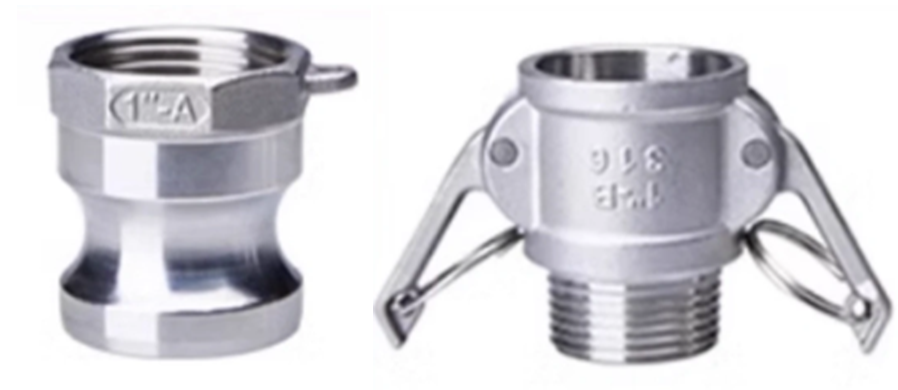
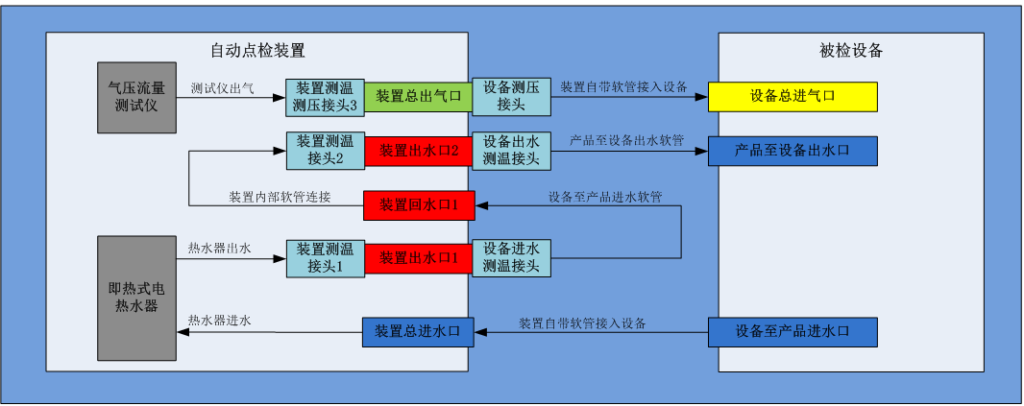
1. Add a T-junction to the main gas inlet of the equipment, with ball valves added to two of the ports, one connected to the gas and the other to the device gas source, and use quick-snap connectors for the interfaces; 2. Add a quick-snap connector to the joint from the equipment to the product supply port; 3. Add a quick-snap connector to the joint from the product to the equipment water outlet port; 4. Add a data server function to the equipment software for reading and writing of data by the device.
Snap-on connector
Schematic diagram of the connection between the device and the equipment under test:
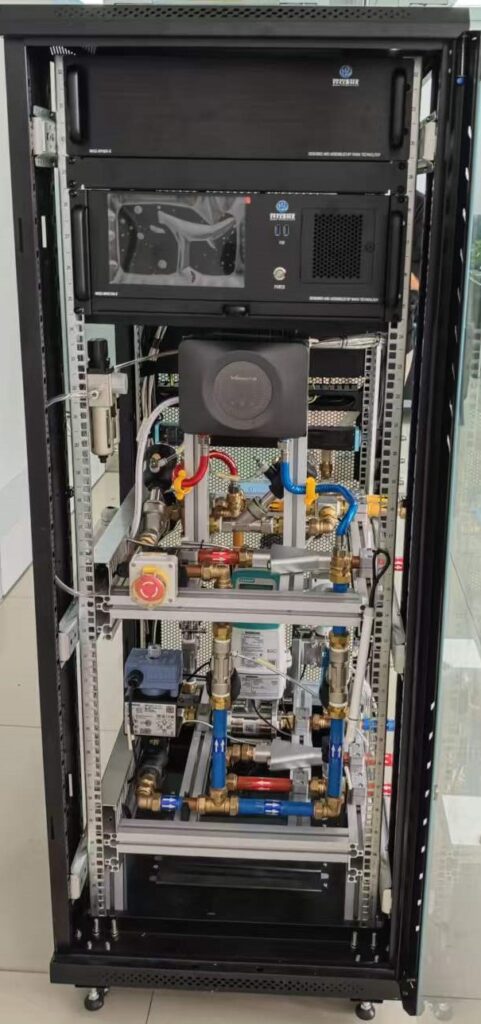
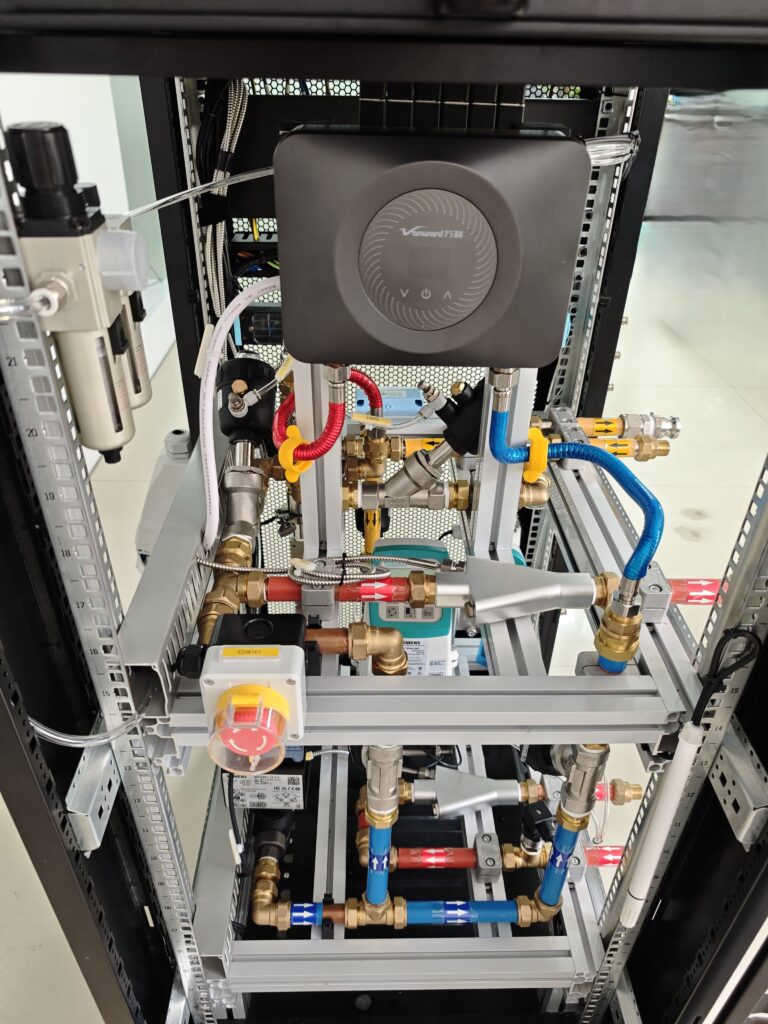
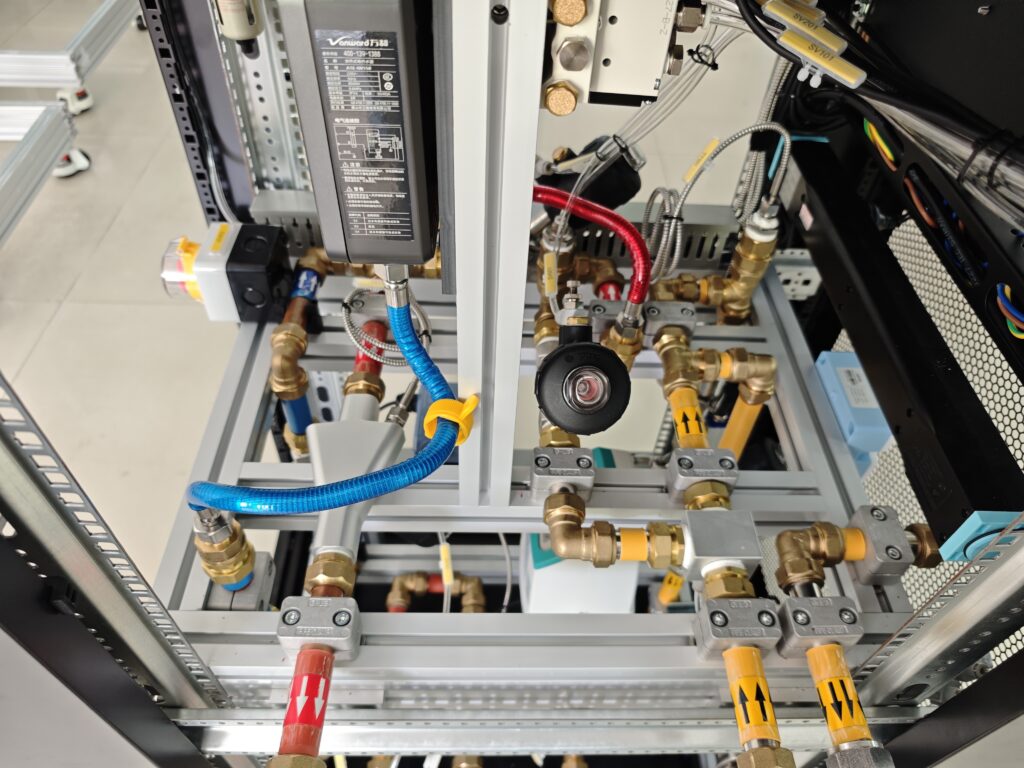
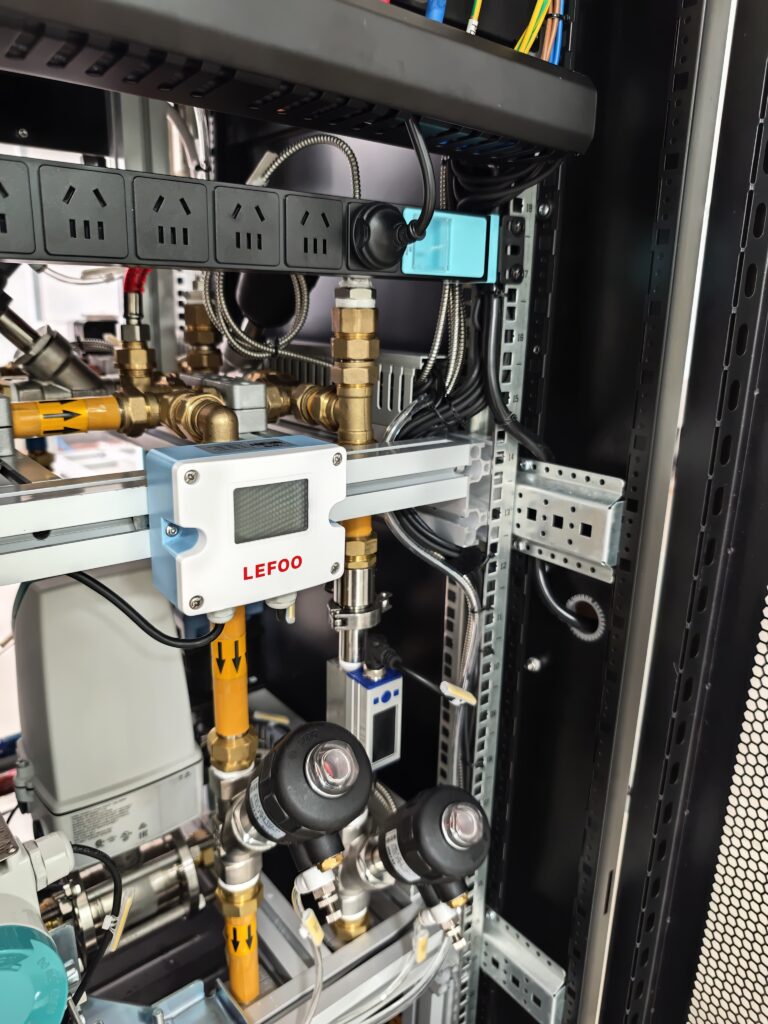
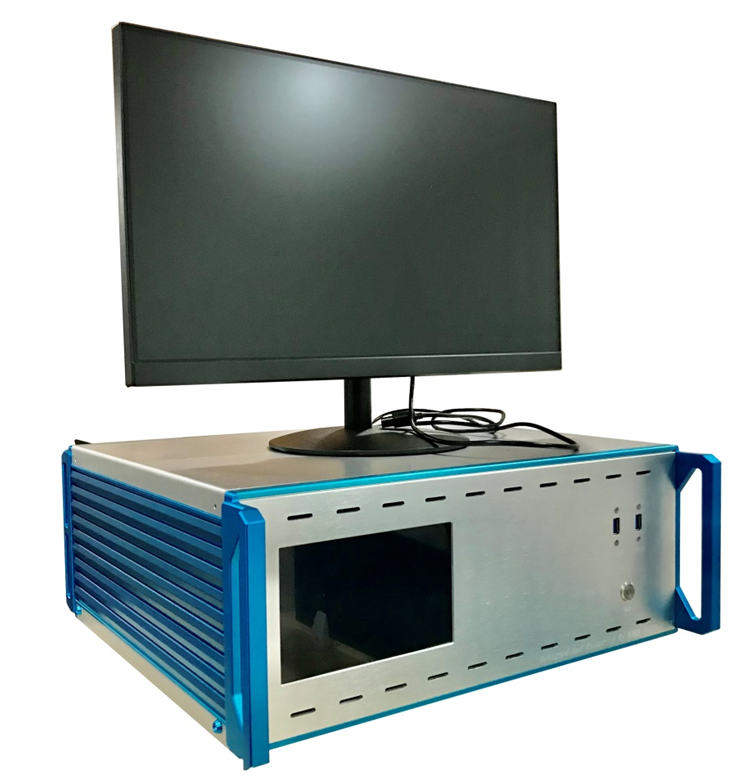
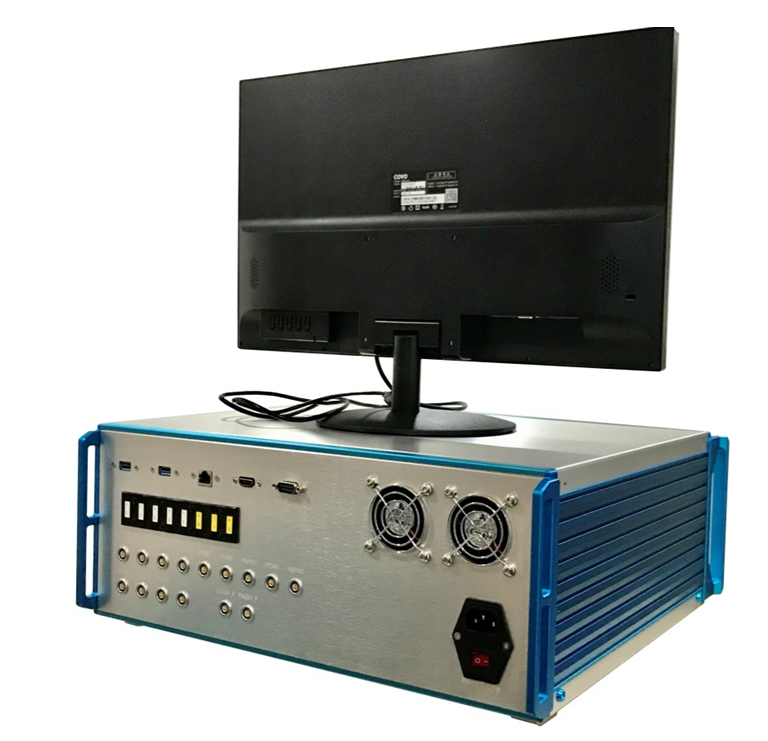
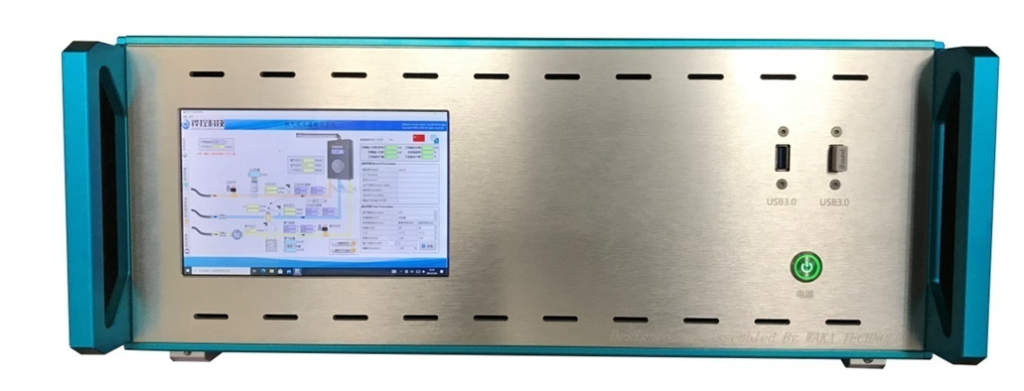
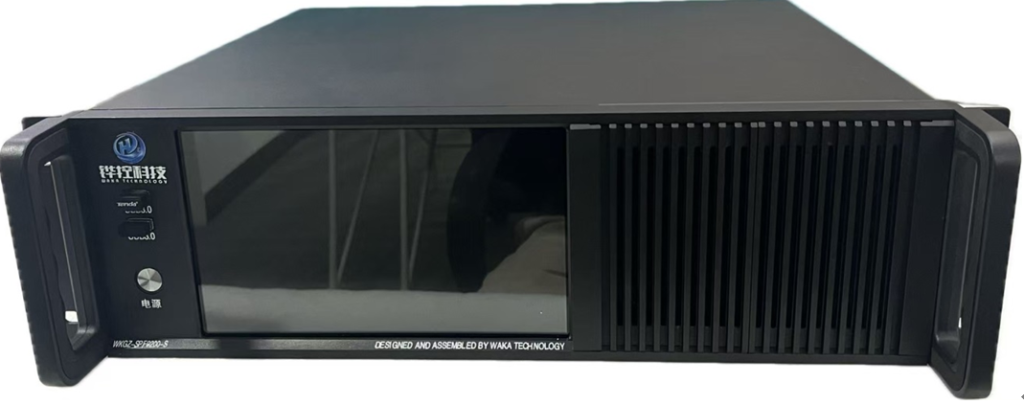
Some actual photos are as follows;Some physical photos are as follows
Physical photo of integrated electronic control cabinet 1
Physical photo of integrated electronic control cabinet 2
Physical photo of integrated electronic control cabinet 3
Wind pressure and flow tester
Software Functional Design
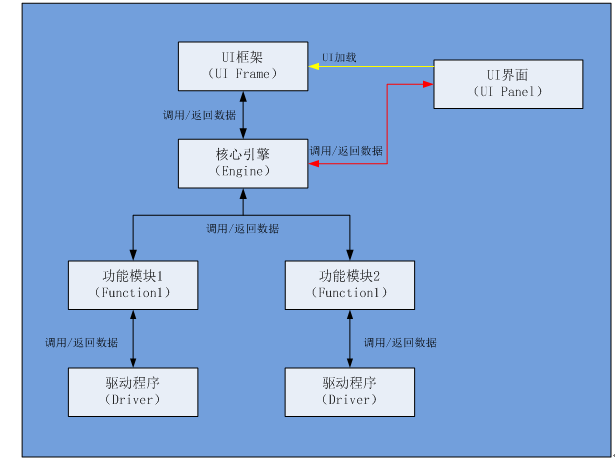
The overall design concept of this software is to use the engine layer as the central hub, with data interaction between the upper UI and lower drivers uniformly managed through the engine layer. The platform architecture is shown in the figure below:
Communication and Environment:
1. Communication method between host computer software and PLC module: (TCP communication method, TCP/IP protocol); 2. Host development environment: Labview 2018; 3. Software authorization function: Provided in the form of a registration code; 4. Dependent database: Access 207 or above; 5. Dependent environment: .net Framework, Labview RT 2018; 6. Computer CPU: Core i3 or above; 7. Computer memory: 4G or above; 8. Computer hard disk: 80G or above
The overall operational flow is as follows:
1. Run the software, the login interface pops up, enter the login account and password, check for. If there are no errors, write to the login log and proceed to the next step; if there are errors, check if the error count has reached 3. If not you can continue to enter; if it has, exit the software; 2. Start the engine program and load various UI interfaces; 3. The engine starts various functional modules; 4. Each functional module starts its own driver program and executes its respective functions; 5. When an exit software command is received from the upper-level UI, the engine sends command to each functional module, and each functional module executes the exit program;
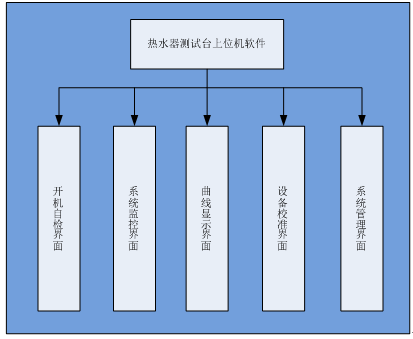
This software contains 5 functions: the power-on self-test interface, system monitoring interface, curve display interface, device calibration interface, and system management interface, as shown in the figure below:
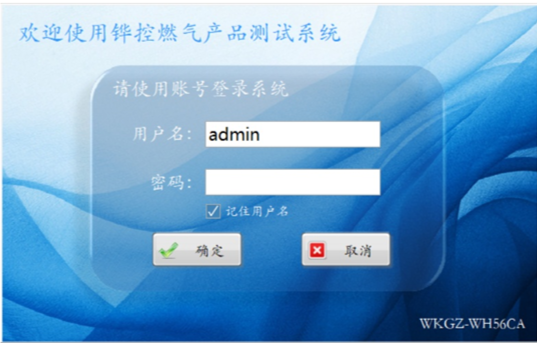
Login Interface
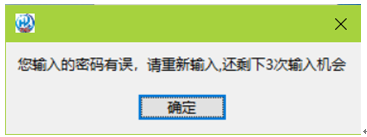
This software is designed with a permission-based access control feature, primarily divided into administrator and tester permissions, which are distinguished and restricted through the login interface. Additionally, the login information is recorded after each successful login. Under the tester permission, users only have access to the automatic testing interface, curve display interface, and data management interface. Users are allowed only 4 attempts to enter their user information correctly each time they run the software; once this limit is reached, the software will automatically exit, as shown in the figure below:
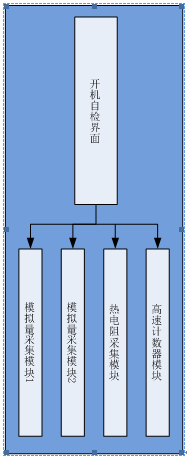
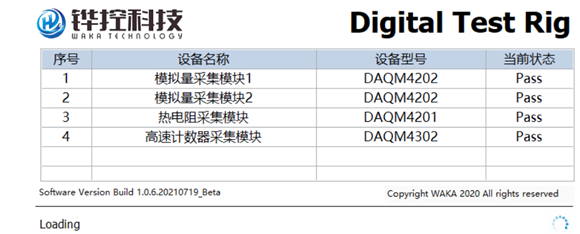
Device Power-on Self-Test
Every time the software starts, it first enters the communication self-test function for the connected instruments and controllers, which mainly includes two parts: the PLC and wind pressure and flow tester. Only when the communication self-test of all instruments passes can the software be normally accessed, as shown in the figure below:
System Monitoring Interface
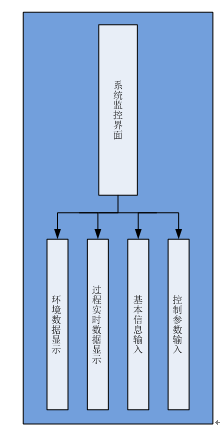
The system monitoring interface mainly includes environmental data display (ambient temperature and humidity, atmospheric pressure), real-time process data display (outlet water temperature, inlet and water pressure, water flow rate, gas pressure 1, gas pressure 2, gas flow rate), basic information input (tester, equipment model, serial number), and control parameter (water flow rate, outlet water temperature, gas pressure, gas flow rate). As shown in the figure below:
Curve Display Interface
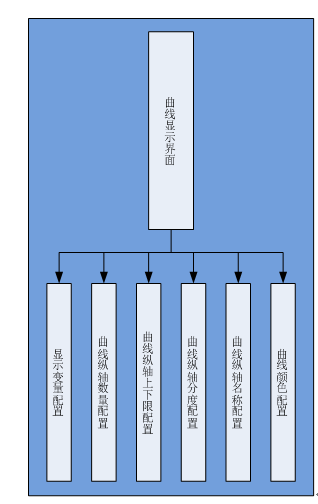
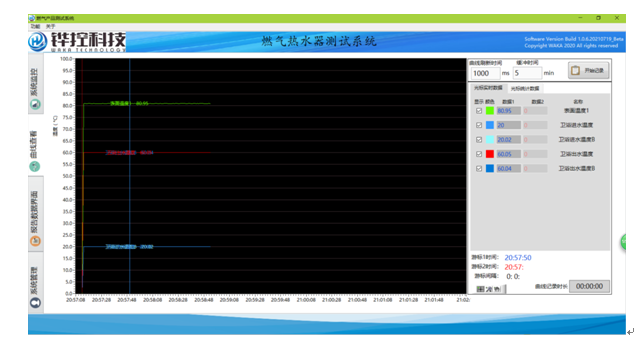
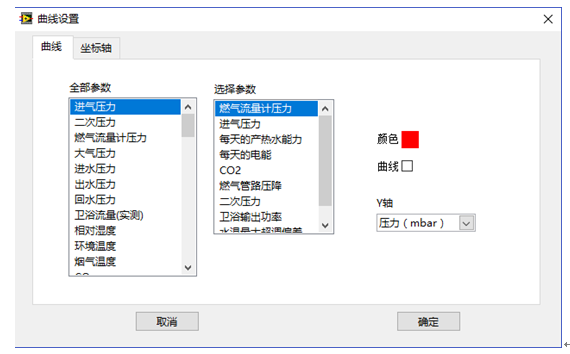
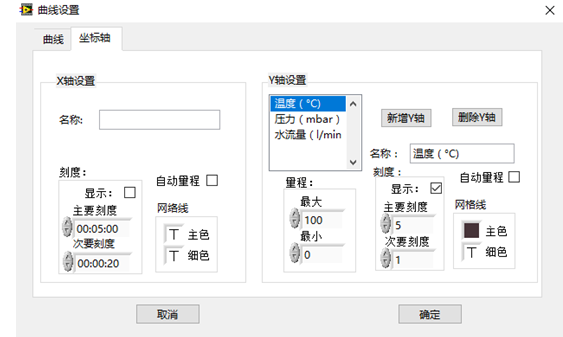
The curve display interface supports associating parameters including display variables, the number of vertical axis bars, the upper and lower of the vertical axis, the vertical axis scale, the vertical axis name, and the curve color with the current test item during the testing process. These parameters will be saved, and the information from the previous test will be automatically displayed the next time this test item is performed. Additionally, the buffer size for curve data can be set. Once set, the X- will always maintain a data volume consistent with the buffer size, as shown in the figure below:
Data Management Interface
The data management interface is mainly used for saving automatic test results and provides functions to delete and query data. Data be queried using four search criteria: device model, serial number, tester name, and test time. The data query results can be displayed in the built-in report format of Huong, and also support exporting to a customer-specified Excel file.
Device Calibration Interface
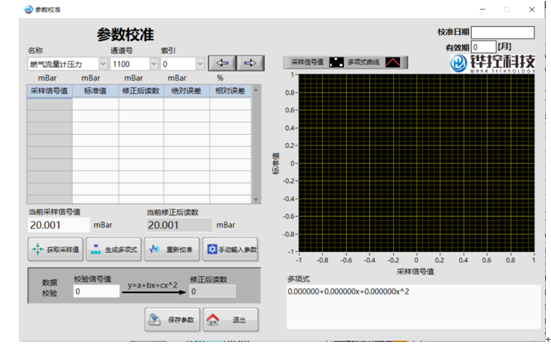
This test system adopts the least squares method in curve fitting to correct the values collected by the sensors. The formulas used are selected based on the sensor type and its inherent linearity, primarily Y=a*X+b and Y=aX^2+ b*X+c. This correction method, by selecting appropriate measurement point data, corrects the entire measurement range, making all points within the range infinitely close to the true values, as shown in the figure below:
System Management Interface
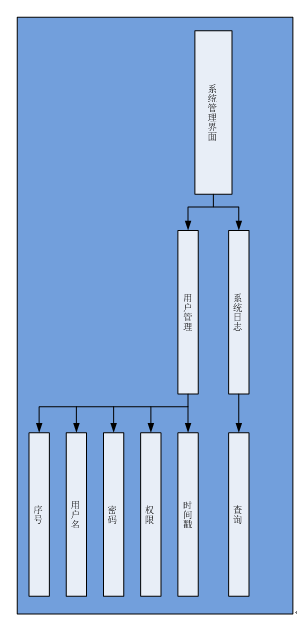
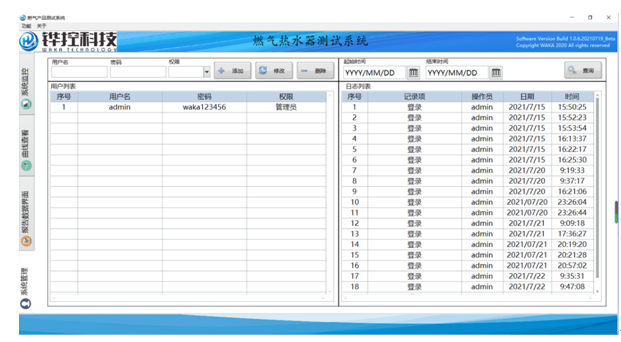
The system management interface includes user management and system log functions. The user management interface provides add, delete modify, and query operations for user information. The corresponding database structure has 5 fields: ID, username, password, permission, and timestamp. The software has a default superuser that cannot be deleted, which is used to manage all user information. User permissions are divided into two levels: administrator and tester. The main difference between a tester and an administrator is the tester cannot access the parameter settings interface. The system log records user behavior information, including login information, test information, etc., and provides time range query conditions, as shown in the below:
Automatic Test Program Functions
The software provides automatic test program functions. The automatic test programs include four independent program packages: water flow automatic test program, air flow check automatic test program, air pressure check automatic test program, and water temperature check automatic test program, as well as an automatic test program package for verifying temperature with water flow as the check target, and an automatic test program package for indirectly verifying air pressure with air flow as the check target. Except for the need to manually connect pipelines before starting the test, the entire process is fully automated. The test process includes selecting the test program, parameter setting, starting the test and recording data, and popping up the upon test completion.
Installation, commissioning, construction organization
Preparatory work (to be conducted internally by WAKA)
1.Confirm the availability of sensor components for all systems; 2.Confirm the availability of electrical components; 3.Complete the internal installation of the electrical control box on-site and perform power-on quality inspection according to the items listed in the quality inspection sheet.
Installation planning (conducted internally by WAKA)
1.Confirm on-site whether the accessories meet the installation conditions according to the 3D design drawings; 2.guide the plumbing and electrical technicians to install the water and gas as well as the electrical control box on-site.
Inspection and testing (conducted internally by WAKA)
1.Check if the installed piping is secure; 2.Check if the installed electrical control box is secure; 3.Check for leaks in the water and air lines; 4.Check the electrical control box is working normally.
Software installation and commissioning (conducted at the customer site)
1.Install the environment required for running the test software; 2.Install the test software and check its operation; 3.Check the display of each sensor data channel; 4.Check the accuracy each sensor’s data.