WAKA provides users with high-performance standard DAQ acquisition and control products, as well as customized services for ordinary high-performance non-standard DAQ acquisition and control products and integrated IoT functions according to customer needs. Users can learn more about WAKA’s products in the product center.
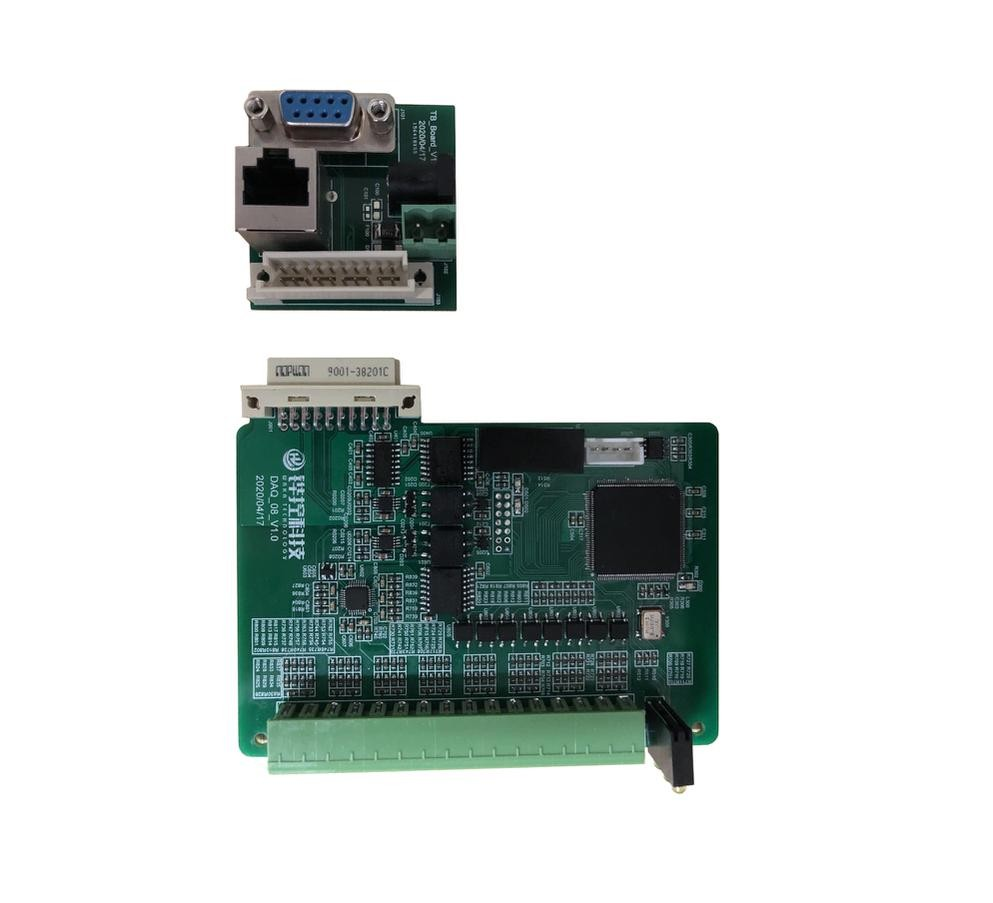
acquisition module: The acquisition module positioning is an industrial grade standard analog acquisition product. Each channel differential input, communication, and AD analog-to-digital interface adopts optoelectronic isolation, which complies with industrial standards and is suitable for various industrial occasions and automatic control systems. As a standard product of WAKA, we offer multiple models for users to choose from, including communication protocol, signal type, acquisition accuracy, and channel quantity. Optional communication protocols: Modbus TCP, Modbus RTU Selectable signal types: 4~20mA, 0~10V, Pulse Selective collection accuracy: 12 bit, 16 bit, 24 bit Number of selectable channels: 4 or 8 The biggest difference between WAKA acquisition module and traditional acquisition module is that it can not only use WAKA module accessories as independent modules, but also be used in conjunction with WAKA standard baseboards. This approach maximizes the satisfaction of users’ various usage scenarios, both in terms of functionality and cost.
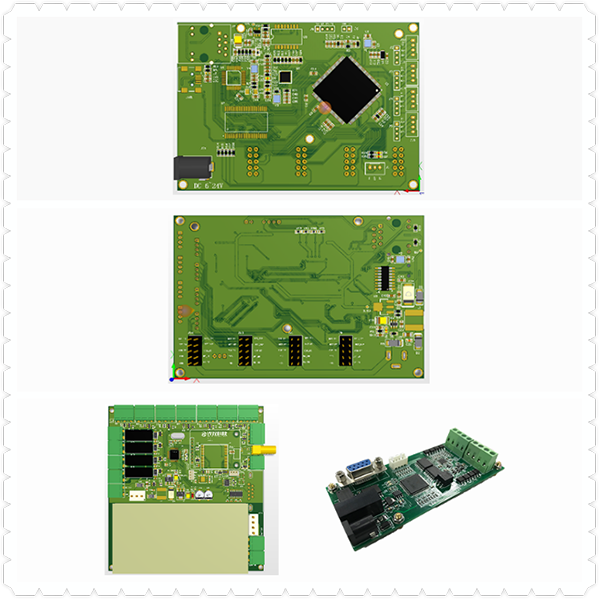
Module base plate: The module backplane, like various types of modules, is positioned as an industrial standard product and belongs to the WAKA standard product set. It is mainly used to cooperate with various types of modules. When users use the module backplane, it has the function of automatically assigning IDs and freely exchanging data with each slot module. That is, regardless of whether the user’s upper computer needs to obtain data, the backplane interacts with each module in real time to obtain data from the module. The current selection options provided for module baseboards include communication protocols and the number of slots Optional communication protocols: Modbus TCP, Modbus RTU Number of slots available for selection: 4 slots, 6 slots, 8 slots